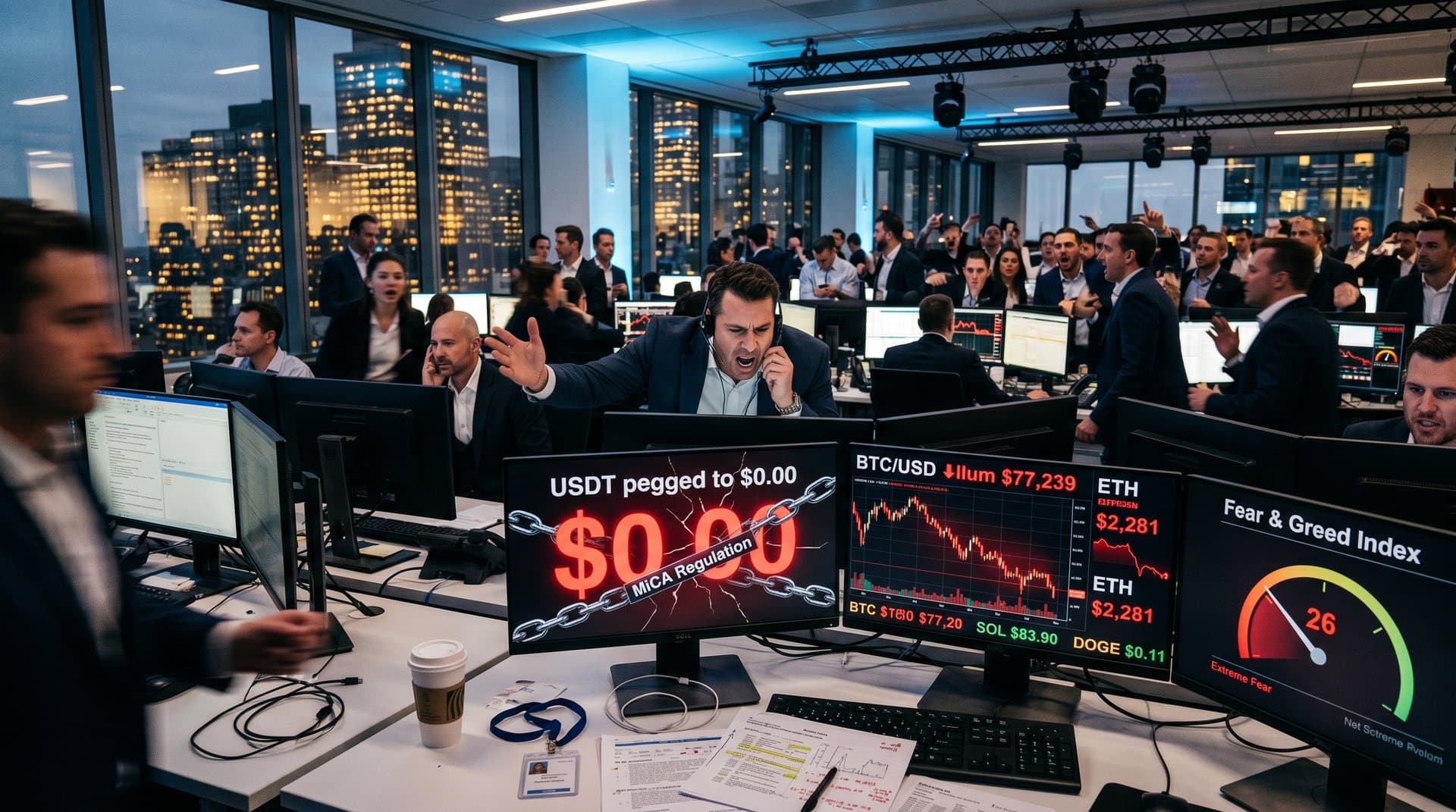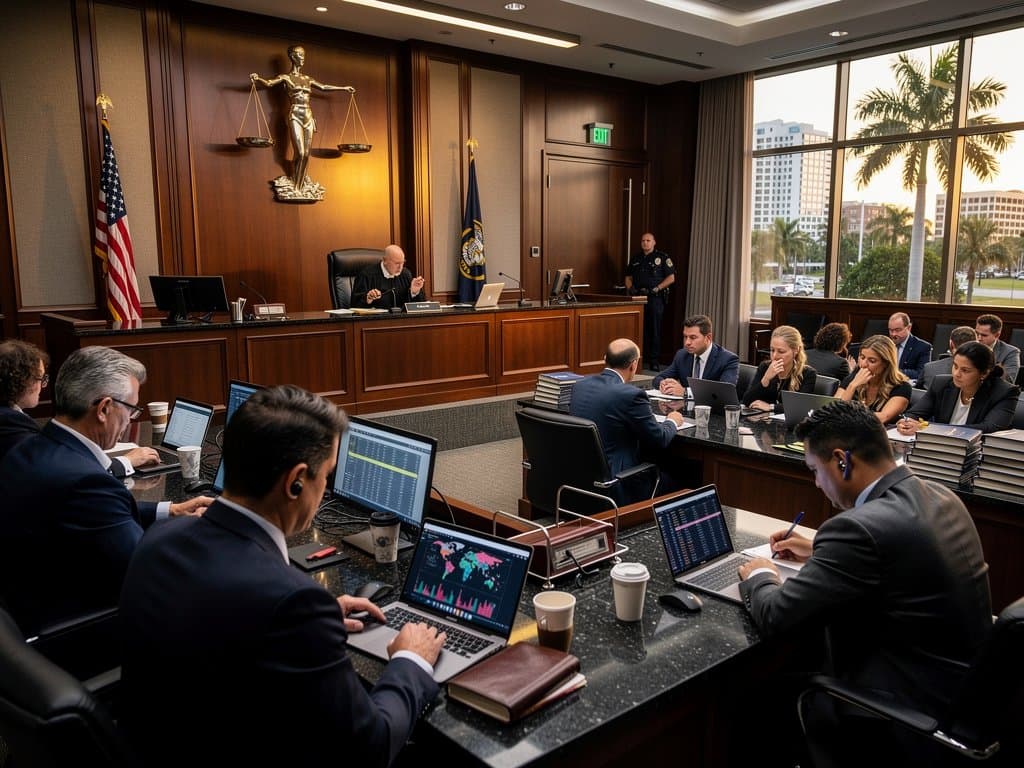
- 1. Federal judge extended deadline for $328M Orlando cryptocurrency Ponzi scheme investigation.
- 2. Bitcoin reaches $77,107 (+2.7%); Fear & Greed Index at 26 signals fear.
- 3. Ethereum up 3.0% to $2,410 amid resilient crypto markets.
U.S. District Judge Carlos E. Mendoza extended the investigation deadline into the $328 million Orlando cryptocurrency Ponzi scheme on October 9, 2024. The ruling, reported by WESH reporter Amanda Crawford, grants more time to trace laundered funds across blockchains like Ethereum and Solana.
Bitcoin trades at $77,107 (+2.7% on October 10, 2024), per CoinMarketCap. The Fear & Greed Index stands at 26 (extreme fear), according to Alternative.me. Ethereum holds at $2,410 (+3.0%). Solana climbs to $88.45 (+0.3%).
Unraveling the $328M Orlando Cryptocurrency Ponzi Scheme
Fraudsters based in Orlando, Florida, promised investors 30% monthly returns via fake AI trading bots. They collected $328 million USD from over 1,200 victims from 2021 to 2023. New funds paid old investors in this classic Ponzi setup.
Orlando's tech scene fueled recruitment through local events and social media. Victims spanned retirees, professionals, and small businesses. Assistant U.S. Attorney Michael Rodriguez outlined the scheme in court documents, revealing shell companies that hid money trails.
SEC warnings underscore crypto scam risks, with over 100 actions since 2013 recovering $4.3 billion, per agency data. The SEC notes rising AI-themed frauds targeting novice traders.
Why the Judge Extended the Probe Deadline
Judge Mendoza cited blockchain tracing challenges in his order. Funds scattered across Ethereum, Solana, and privacy coins like Monero. Investigators issued subpoenas to Coinbase, Binance, and others.
"Decentralized ledgers' complexity requires extra time," Rodriguez argued in his September 25, 2024, motion. Chainalysis forensic experts assisted. Chainalysis investigations head Kim Graffam told Bloomberg such cases often span 18-24 months due to cross-chain mixing.
No victim payouts occur yet, leaving claimants in limbo as recovery drags on.
Crypto Market Resilience Despite Ponzi Probe
Markets ignored the probe news. Bitcoin rallies on BlackRock's iShares Bitcoin Trust (IBIT), which drew $15 billion in ETF inflows since January 2024, per ETF.com data. Ethereum gains from layer-2 upgrades like Optimism, enhancing transaction speeds by 10x.
- Asset: BTC · Price (USD): 77,107 · 24h Change: +2.7% · Market Cap: $1,543.5B
- Asset: ETH · Price (USD): 2,410 · 24h Change: +3.0% · Market Cap: $290.9B
- Asset: SOL · Price (USD): 88.45 · 24h Change: +0.3% · Market Cap: $50.9B
Data from CoinMarketCap, October 10, 2024. Fear & Greed at 26 hints at pullbacks, but $52 billion in spot ETF shifts bolsters support.
Investor Risks and Recovery Challenges
Investors face low full-recovery chances. BitConnect's 2018 collapse ($2 billion losses) repaid just 20-30% after multi-year litigation. This Orlando case demands global ties with Singapore and UAE exchanges.
Platforms like Revolut now enforce stricter KYC to block repeats. Victims must file claims on the court's portal by December 2024. Early filers improve odds in asset distribution.
Regulatory Push After Cryptocurrency Ponzi Exposure
The case spurs U.S. fintech crackdowns. EU's MiCA rules, live since June 2024, demand wallet transparency and licensing. CFTC Chair Rostin Behnam urged unified standards in his September 2024 speech.
Chainalysis 2024 Crypto Crime Report tracked $24.2 billion illicit flows, down 24% from 2023. Spot ETFs moved $50 billion from gray markets to regulated ones, cutting scam access.
Outlook for Markets and the Orlando Scheme
Trial results may spark volatility, but Bitcoin's April 2024 halving cycle drives gains—post-halving rallies averaged 300% historically. Recovering the full $328 million depends on seizures and foreign aid.
Next hearing arrives November 15, 2024, to review cryptocurrency Ponzi scheme progress. Regulators eye broader fraud hotspots as crypto adoption surges.
Frequently Asked Questions
What is the $328M Orlando cryptocurrency Ponzi scheme?
Operators in Orlando promised high crypto returns, defrauding investors of $328 million via fake platforms. Probe traces blockchain flows.
Why did the judge extend the deadline?
Complex blockchain forensics and scattered wallets required more time. Ensures thorough fund recovery efforts.
How do Ponzi schemes work in crypto?
New investor funds pay old ones, not real profits. Anonymity aids until collapse; Fear & Greed at 26 raises risks.
Bitcoin status amid the probe?
BTC at $77,107 (+2.7%, $1.54T cap) holds firm on ETF inflows despite fear index of 26.