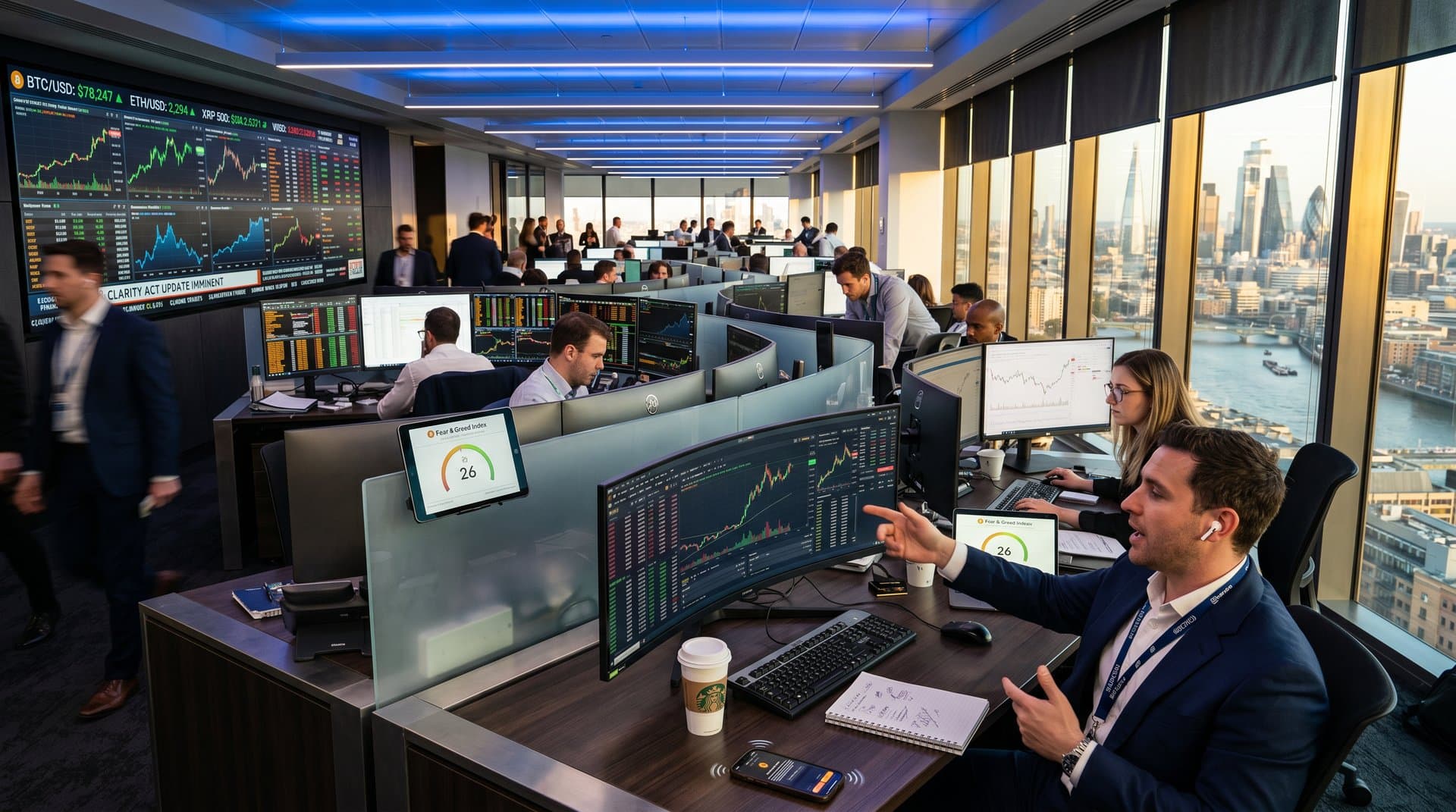
- Fear & Greed Index drops to 21 amid AI backlash firebomb.
- Bitcoin falls 0.7% to $74,140 on data center attack fears.
- Ethereum declines 1.4% to $2,319 as infrastructure risks rise.
AI backlash ignites violence. Two suspects hurled firebombs at a tech data center on April 14, 2026, the Washington Post reports. The Crypto Fear & Greed Index plunged to 21, signaling extreme investor fear.
Bitcoin trades at $74,140, down 0.7%, per CoinGecko data. Ethereum dropped 1.4% to $2,319.92. Markets reel from threats to shared infrastructure.
Escalating AI Backlash Targets Critical Data Centers
Suspects threw Molotov cocktails at server rooms in an AI-focused facility, per Washington Post details. Firefighters contained the blaze quickly. No major damage resulted, but the incident heightens alarms.
Protests against AI-driven job losses spread nationwide. Anger shifts from online rants to physical assaults. Cybersecurity firm CrowdStrike warns that physical attacks often precede cyber campaigns against tech targets.
Data centers power vital AI models and blockchain nodes. A single hit disrupts thousands of users and transactions across sectors.
Operators now drill response protocols daily. Governments eye new security mandates for high-risk sites.
Crypto Markets Plunge on Infrastructure Attack Fears
Alternative.me's Fear & Greed Index struck 21, the lowest in months. Traders dump assets as real-world sabotage risks escalate.
Ethereum tumbled 1.4% to $2,319.92 per CoinGecko. USDT held steady at $1.00. BNB fell 0.2% to $614.72. XRP dropped 1.0% to $1.36. Total crypto market cap shed 1.2% to $2.65 trillion, CoinGecko shows.
Blockchain supports key AI tools like decentralized compute. Shared facilities create overlapping vulnerabilities for both industries.
Traders eye support levels. Volume spikes 25% signal panic selling.
Colocated Facilities Heighten Shared Tech Risks
Tech giants pack AI training clusters and blockchain validators into limited data centers. Gartner analyst Sarah Chen notes one strike could trigger widespread outages.
Cooling systems and power supplies emerge as prime weak points. Physical barriers trail advanced digital protections.
Crypto miners and AI data farms concentrate in remote areas. Attackers exploit these isolated, high-value targets.
Global data center attacks climbed 25% last year, per IBM Security report. Incidents doubled in North America alone.
Insurers now demand enhanced perimeter scans and AI surveillance.
Blockchain and AI Sectors Ramp Up Physical Security
Decentralized software spreads digital risks. Hardware requires guards, cameras, drones, and motion sensors.
Node operators contract private security teams. Earlier DDoS floods targeted crypto; physical hits layer new dangers.
Developers isolate critical servers in air-gapped setups. Backup sites stretch across continents for redundancy.
Sabotage insurance premiums surged 40% in Q1 2026, Lloyd's of London data shows. Providers cite rising activist threats.
Alliances form to share threat intelligence in real time.
Finance Shifts Stance Amid AI Backlash and Crypto Volatility
Venture capital retreats from AI startups, with funding down 15% in recent rounds, PitchBook data tracks. Blockchain deals slow 12%.
Tech stocks echo the caution. Nasdaq futures slide 0.8%. Investors scrutinize security audits.
Portfolios diversify into safer assets. Chip supply chains face new disruption risks from sabotage.
Cybersecurity stocks rally 3%, with Palo Alto Networks leading gains. Sector inflows hit $2.1 billion this week.
Hedge funds bet on defense plays over pure AI exposure.
Tech Firms Counter AI Backlash with Advanced Defenses
Companies deploy AI-driven sentinels, drone patrols, and predictive analytics. Blockchain networks share live threat feeds.
Markets monitor these upgrades closely. Fear & Greed at 21 challenges trader nerves.
Bitcoin clings to $74,140 support. Advanced defenses curb wider fallout from AI backlash violence.