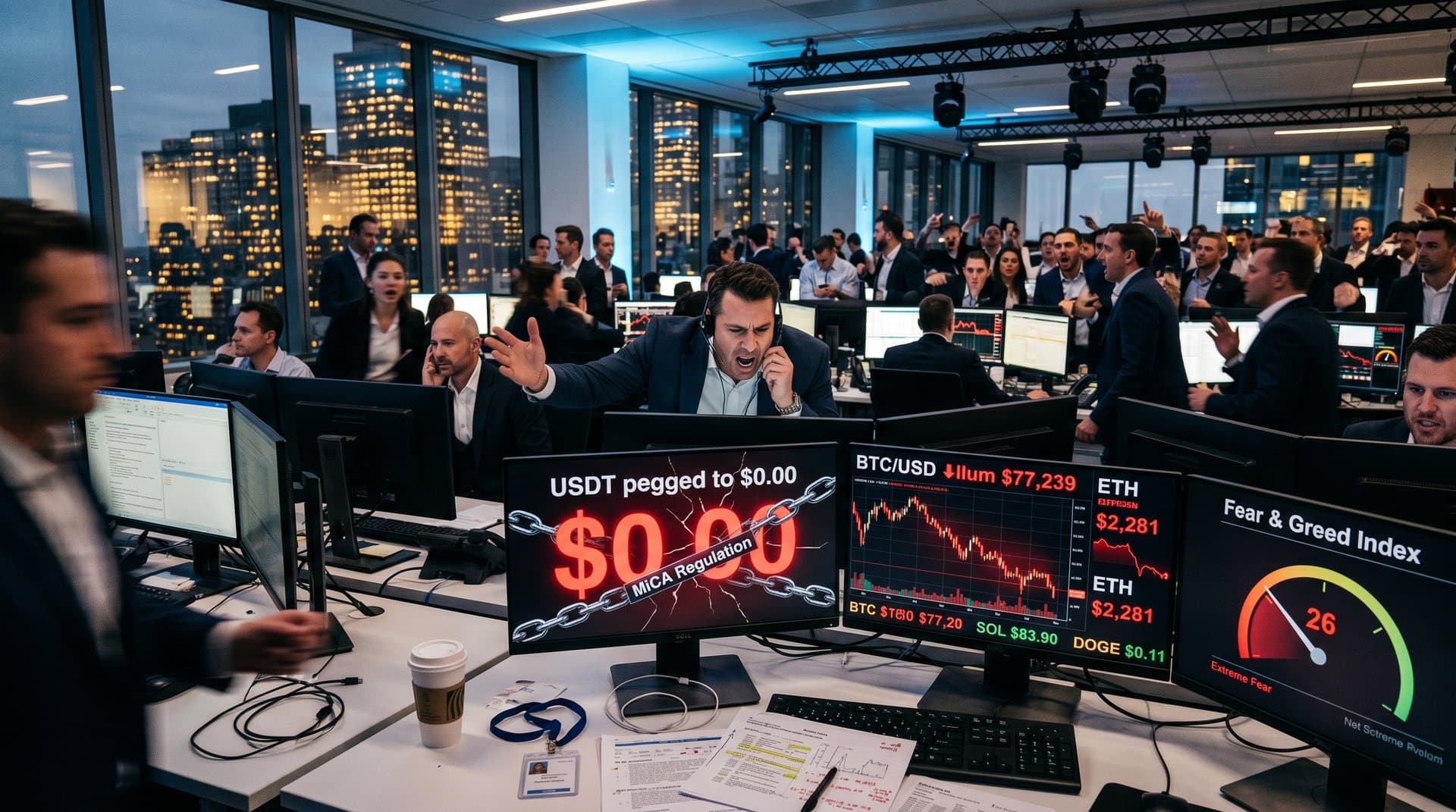
- $3M recovered by Florida in romance crypto scams.
- Fear & Greed Index at 21 signals extreme fear.
- BTC up 1.5% to $74,218 despite fraud news.
Florida crypto scam recoveries topped $3 million from romance schemes turning to fake crypto investments. The Florida Office of the Attorney General announced the seizures on April 14, 2024. Fintech blockchain forensics traced the tainted funds across wallets.
Bitcoin climbed 1.5% to $74,218 on CoinMarketCap. Ethereum rose 3.0% to $2,320. The Fear & Greed Index fell to 21 (extreme fear) per Alternative.me.
Romance Scams Fuel Crypto Fraud Surge
Scammers target dating apps, posing as wealthy suitors. They gain trust over weeks, then lure victims into "exclusive" Telegram groups promising 20-50% crypto returns.
Victims send funds to scam-controlled wallets for nonexistent tokens or staking pools. Florida tracked these despite tumblers and mixers like Tornado Cash.
Romance scams hit records in 2023. The Federal Trade Commission (FTC) reported crypto as the top payment method, with losses exceeding $1 billion nationwide. See FTC spotlighting crypto payments.
Blockchain Forensics Powers Major Seizures
Fintech leaders like Chainalysis build transaction graphs linking scam addresses to exchanges. Florida regulators deployed these tools to identify and freeze 15 wallets holding $3.2 million.
Courts granted forfeiture orders after analysis revealed fund paths from victim banks through fiat on-ramps like Coinbase to DeFi bridges. Chainalysis' 2024 Crypto Crime Report detailed pig-butchering operations, a variant of romance scams. Read Chainalysis detailed pig-butchering tactics.
Public blockchains enable this tracing, even with privacy coins like Monero. Recovered assets returned to over 200 victims, averaging $15,000 each.
How Pig-Butchering Scams Operate
Named for fattening victims before slaughter, these scams start with flirty chats on Tinder or Facebook. Scammers claim overseas wealth tied up in crypto, needing "help" to access it.
They demo fake trading apps showing explosive gains. Victims deposit small amounts, see fabricated profits, then wire life savings, often $50,000+, to real wallets.
The FBI pegged 2023 romance crypto losses at $295 million, per CoinDesk reported FBI warnings on $295M losses. Florida cases mirrored this pattern.
Evolving Scammer Tactics Face Advanced Tech
Fraudsters now use fake decentralized exchanges (DEXs) and bridges like Wormhole. Victims sign malicious approvals draining entire portfolios.
Post-scam, analytics reconstruct wallet interactions. Elliptic and TRM Labs provide API alerts. Florida integrated these with state law enforcement.
AI flags suspicious chat patterns, like rapid investment pitches. Dating apps now scan for crypto keywords, blocking 10% more threats.
Broader Market Resilience Amid Fraud News
XRP gained 0.8% to $1.36. BNB rose 1.1% to $614. USDT stayed at $1.00. Extreme fear at 21 challenges retail, but institutional inflows hit $2.5 billion last week per CoinShares.
Upgrades like Ethereum's Dencun cut Layer-2 fees, improving traceability. Proof-of-reserves mandates from exchanges like Binance deter scams.
Implications for Crypto Investors and Regulators
Florida's success sets a model. Other states like California eye similar fintech stacks. Expected seizures could cut scam volumes 30%, analysts predict.
Investors should verify wallets via Etherscan, enable 2FA, and avoid unsolicited pitches. Platforms like MetaMask now warn on high-gas approvals.
CNBC noted on February 15, 2024, that scams persist despite FTC crackdowns, but blockchain tools shift the balance to enforcers. Details in CNBC on persistent threats.
Florida crypto scam recoveries signal crypto's maturation. Stronger defenses protect adoption as BTC eyes $80,000.